 By
By Pune is changing. Once celebrated for its academic institutions and cultural heritage, the city is quietly charting a new identity: a forward-looking, green-forward metropolis that balances growth with nature. In the middle of this shift, Kumar Builders News is chronicling a movement — not just new projects, but a philosophy. Through flagship developments like 45 Nirvaana Hill (Karve Road), Kumar Aatman (Baner), Kul Ecoloch (Mahalunge), Kumar Sophronia (Kalyani Nagar) and KUL UTSAV (Kondhwa), Kumar Builders is positioning Pune as a model for sustainable urban living in India.
This piece explores how Pune’s trajectory toward becoming a green capital is being accelerated by purposeful design, measurable energy-efficiency, and an insistence on integrating nature into everyday life. Framed through the lens of Kumar Builders News, we’ll examine three concrete pillars: green construction methods, energy-efficient project features, and the rise of nature-integrated urban spaces.
The long view: why green matters for Pune (and why it’s urgent)
Pune’s rapid growth has created both opportunity and strain. Rising temperatures, air quality concerns, diminishing green cover, and pressure on water resources are real challenges. The answer isn’t to slow growth — it’s to grow differently. That’s the premise at the heart of recent Kumar Builders News narratives: cities can expand without sacrificing climate resilience or quality of life. The distinction comes down to choices made during planning, procurement, and construction — choices that determine a building’s carbon footprint and the lived experience of its residents for decades.
Green construction methods — a Kumar Builders News perspective
Sustainable construction begins long before the foundation is poured. Under the banner of Kumar Builders News, several approaches have been highlighted across projects such as Kul Ecoloch (Mahalunge) and Kumar Aatman (Baner) that make a measurable difference:
1. Material selection for low embodied carbon.
Reducing a building’s embodied carbon starts with smarter materials: locally sourced bricks and aggregates, low-VOC paints, recycled steel where possible, and cement alternatives in non-structural applications. Projects like Kul Ecoloch prioritize materials with shorter supply chains, cutting transport emissions and supporting local industry — a small change with outsized environmental impact.
2. Waste-minimizing construction practices.
On-site waste segregation, prefabricated components, and modular assembly reduce material waste and accelerate timelines. Prefabrication also cuts energy used during construction and improves quality control, reducing long-term maintenance and replacement needs. This method has been increasingly discussed in Kumar Builders News as a scalable solution for Pune’s expanding neighborhoods.
3. Water-conscious construction techniques.
From rainwater-harvest friendly site grading to foundation designs that protect aquifers, protecting water during construction is critical. At 45 Nirvaana Hill, landscaping plans and groundwork are being shaped to maximize groundwater recharge and minimize storm runoff — concrete examples of how construction design and sustainability goals can align.
Energy-efficient project features (spotlight in Kumar Builders News)
A genuinely green building is energy-smart, not just green on paper. Kumar Builders News showcases how modern projects under the Kumar portfolio are integrating systems that reduce operational energy — the bulk of a building’s lifetime emissions.
Passive design first.
Orientation, fenestration (placement and size of windows), shading devices, and thermal mass are optimized to reduce cooling loads. Kumar Sophronia (Kalyani Nagar) emphasizes natural ventilation corridors and deep balconies that cut solar gain while expanding living areas into semi-outdoor spaces — design choices that reduce reliance on mechanical cooling.
High-performance building envelopes.
Insulation, double-glazed windows, and thermally efficient doors keep indoor temperatures stable. These investments lower HVAC usage and translate to monthly savings for residents. KUL UTSAV (Kondhwa) integrates insulated roofs and reflective surfaces to minimize heat absorption on hot summer afternoons.
Smart HVAC and lighting systems.
Energy-efficient chillers, zone-based cooling, and intelligent ventilation systems deliver comfort only where and when it’s needed. LED lighting with occupancy sensors in common areas, and motion-sensing streetlights reduce communal energy consumption. Solar-ready layouts and on-site renewable generation are becoming standard; multiple Kumar projects are being planned with rooftop photovoltaic potential in mind — a recurring theme across recent Kumar Builders News coverage.
Energy monitoring and resident awareness.
Energy dashboards, real-time consumption displays in clubhouses, and awareness programs help residents understand and reduce usage. When homeowners see their immediate impact, behavior shifts—often faster than technology alone could achieve.
The rise of nature-integrated urban spaces
Perhaps the most visible sign of Pune’s green evolution is the way nature is being stitched into urban living. This is where Kumar Builders’ projects move beyond amenities into ecosystem creation.
1. Green corridors and connected landscapes.
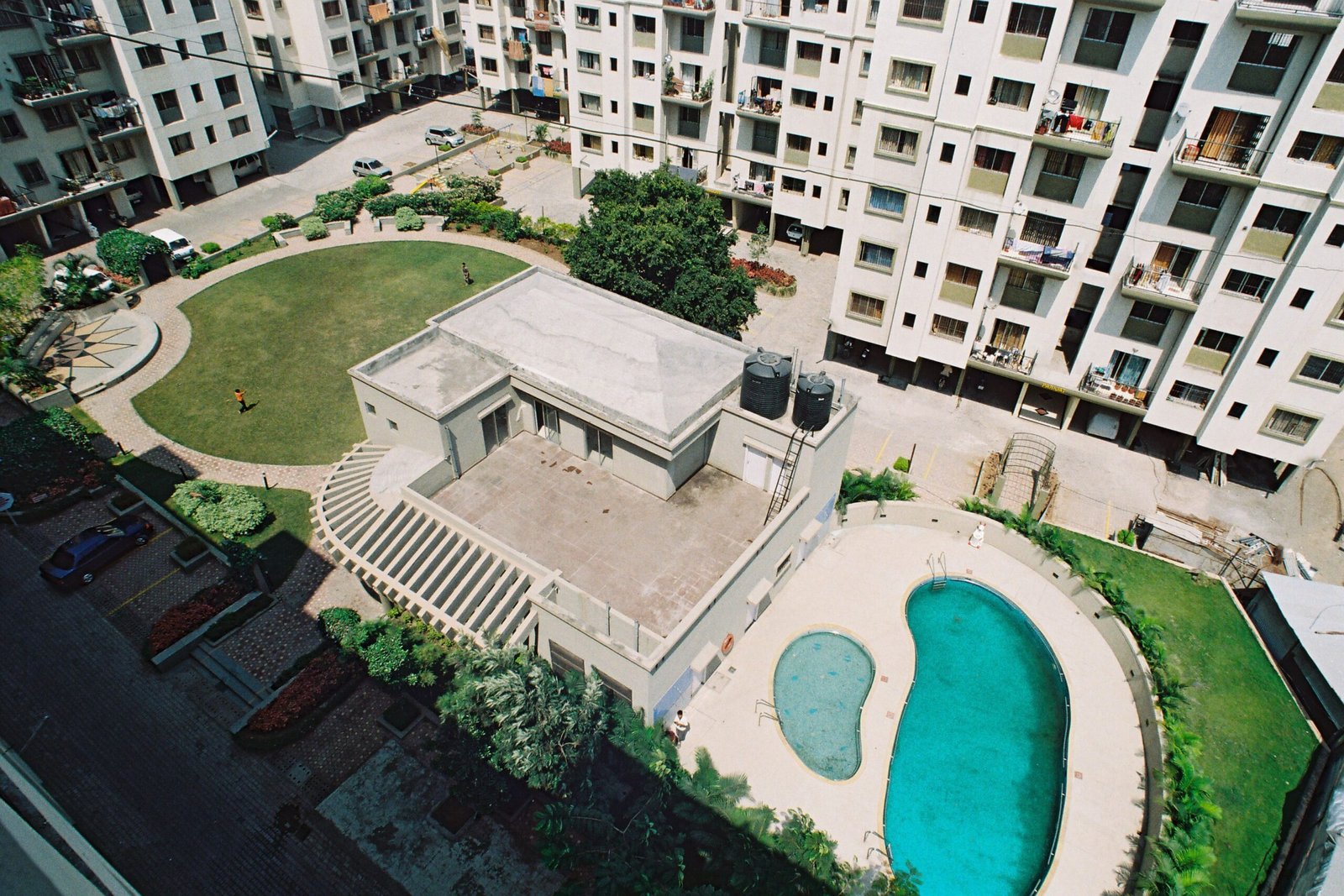
Instead of isolated pocket gardens, Kumar’s newer masterplans aim for continuous green corridors that link parks, play areas, and walking trails. 45 Nirvaana Hill was designed with a hilltop vantage that preserves native topography while inserting layered green spaces — where mature trees and open lawns coexist with playable terrains.
2. Biodiversity in design.
Landscaping that supports pollinators, native plant palettes that need less irrigation, and wetlands or bioswales for stormwater treatment are practical, low-maintenance ways to boost urban biodiversity. Kul Ecoloch stands out for focusing on native species that favor local ecology and require minimal chemical intervention, echoing themes that appear often in Kumar Builders News editorials.
3. Pocket ecosystems for everyday life.
From community orchards to rooftop edible gardens and natural play areas, bringing nature close to people improves health outcomes and social cohesion. Kumar Aatman (Baner) integrates shared terraces and community gardens that become micro-ecosystems — places where neighbors meet, children learn, and food cycles tighten.
4. Water-sensitive urban design.
Permeable pavements, retention ponds, and designed wetlands reduce flooding risk and recharge groundwater. KUL UTSAV’s landscape strategy, for instance, uses graded lawns and retention basins to slow and cleanse runoff before it enters municipal drains — a model increasingly featured in Kumar Builders News because it scales classical landscaping into infrastructure.
People-first sustainability: the social dimension
Sustainability is social as much as technical. The projects under Kumar Builders are built with inclusivity in mind — walkable streets, barrier-free common areas, and community programming that promotes shared stewardship of green assets. When residents care for a garden patch or attend a climate-awareness workshop, they become active participants in the city’s green transformation. Stories from residents across these communities — the first mango from a communal orchard, a neighborhood clean-up that became a monthly ritual — are a recurring thread in Kumar Builders News and a quiet proof of concept: environmental design creates civic pride.
Economic logic: green is smart value
There’s a practical, economic case too. Buildings with lower operating costs, healthier indoor air, and resilient infrastructure attract buyers and retain value. Investors in Pune increasingly look for long-term durability and livability — attributes that Kumar Builders has been leaning into. From reduced maintenance due to better materials to utility savings from efficient systems, green design pays back over time, both in financial terms and resident satisfaction. Coverage in Kumar Builders News underscores this — green features are not a premium add-on but core value drivers.
What this means for Pune’s future
When developers, city planners, and communities adopt these principles at scale, cities transform. Pune’s push toward becoming a green capital is not merely cosmetic; it’s systemic. Kumar Builders’ portfolio — including 45 Nirvaana Hill, Kumar Aatman, Kul Ecoloch, Kumar Sophronia, and KUL UTSAV — demonstrates that conservation, comfort, and contemporary living can coexist. Each project contributes a piece to a larger urban mosaic: resilient neighborhoods, reduced ecological footprints, and healthier daily lives.
If this momentum continues, Pune will offer a replicable model for Indian cities: rapid development anchored by climate-aware design, operational efficiency, and civic engagement. That’s the kind of narrative you’ll continue to see in Kumar Builders News — one that frames real estate as a force for environmental stewardship.
Closing: a call for collective stewardship
Becoming a green capital is a shared responsibility — from architects and builders to homeowners and local authorities. Kumar Builders is playing a leadership role, but lasting change depends on collaboration: policy that incentivizes green construction, buyers who prioritize longevity over novelty, and communities that nurture the ecosystems around them. Kumar Builders News will keep tracing this journey — project by project, garden by garden — because Pune’s future depends on the decisions we make today.
Pune is ready for a greener chapter. With thoughtful construction methods, energy-conscious features, and nature-first public spaces, this city can lead India’s next wave of sustainable urbanism. And for readers watching closely, Kumar Builders News will remain the place to see how that story unfolds — one responsible, resilient project at a time.